

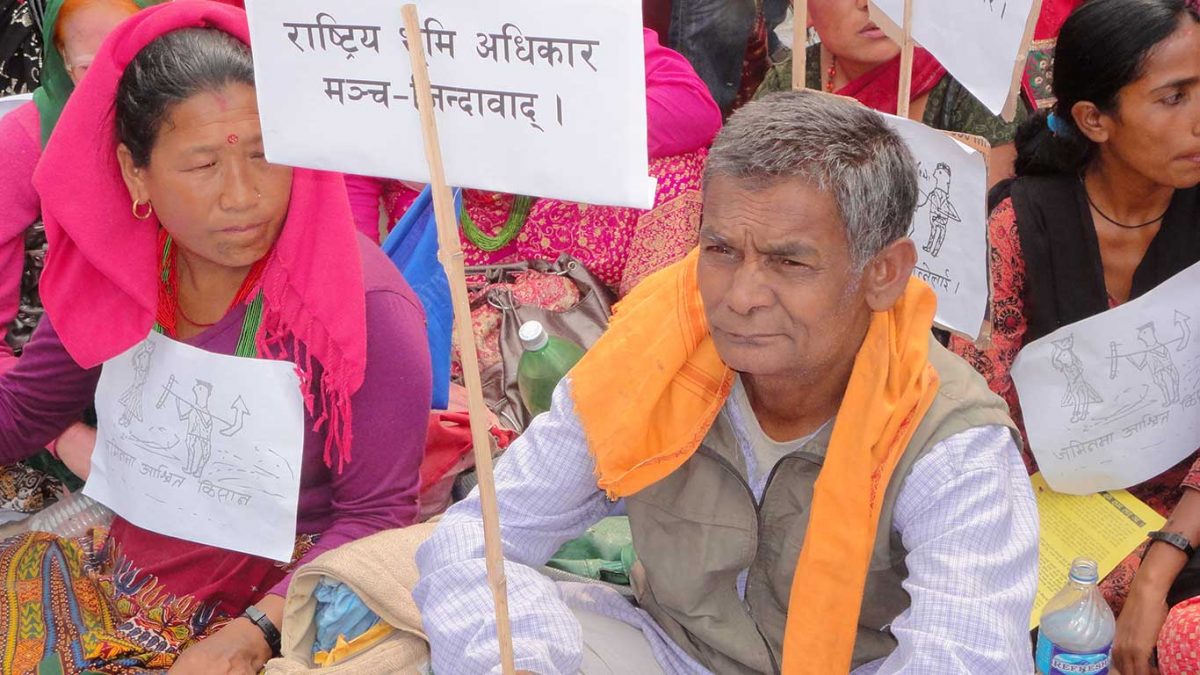
SUS strategically focuses its efforts on empowering marginalized communities across Nepal, particularly in the central and eastern Tarai and Chure hill regions. At the core of SUS’s mission are its primary target groups, chosen for their acute vulnerabilities and the pressing need to address systemic inequalities. This includes Dalit communities, who have historically faced caste-based discrimination and exclusion; Chepang communities, recognized as one of the most marginalized tribal minority groups in Chitwan district, often displaced from forests and national parks due to land policies and traditional occupations; women and girls from ethno-religious backgrounds grappling with gender disparities and economic barriers; and a broader spectrum of women, girls, boys, men, and sexual minority groups subjected to human rights violations, social injustices, and the risks associated with internal migration—particularly into labor-intensive sectors like agriculture, entertainment, and domestic works. By targeting these groups, SUS aims to provide comprehensive support in areas like education, health, livelihood security, and rights advocacy, fostering resilience and self-advocacy among those most affected by exclusion.
Complementing these primary efforts, SUS engages secondary target groups to amplify its impact through collaboration and mobilization. This encompasses community-based organizations (CBOs) and cooperatives linked to the primary groups, which play crucial roles in grassroots advocacy and resource sharing; local, district, provincial, and national CSOs and their networks, essential for policy-level changes and systemic reforms; individual human rights defenders, activists, champions, artists, and celebrities at all levels, who bring visibility and inspiration to the cause; local and provincial government officials and elected representatives, key to influencing governance and resource allocation; business sector associations, including AES business owners and other actors, to promote ethical labor practices and economic inclusion; and media organizations alongside university and academic institutions dedicated to the rights of marginalized groups, which contribute through research, awareness campaigns, and public discourse.


Discussion about this post