

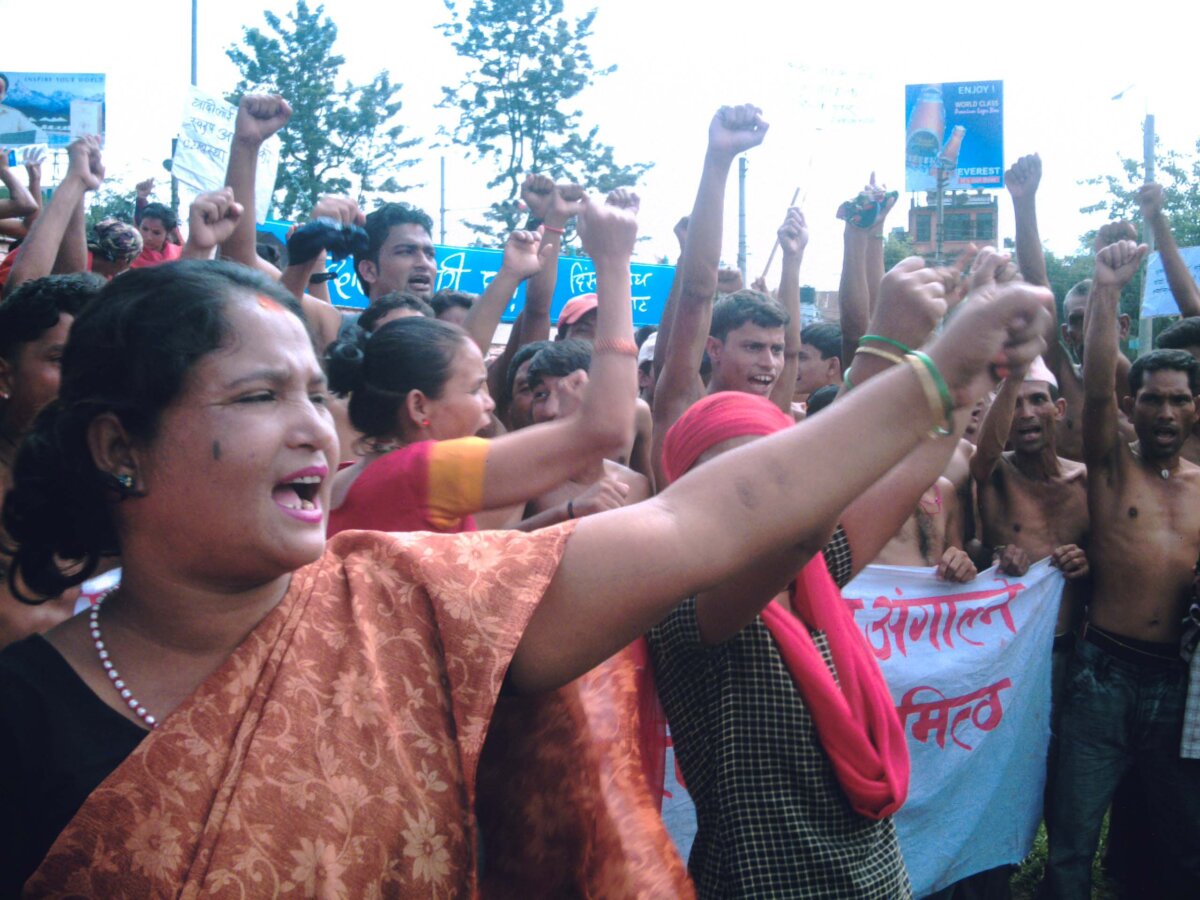
Project Location and Duration: The project will be implemented over a one-year period in Bharatpur Metropolitan City and Madi Municipality, Chitwan District, Nepal. Chitwan District, located in Bagmati Province and bordering India, has a population of 722,168 (as per the 2021 census), with the project areas covering 407,927 residents. Known for its tourism, Chitwan National Park, and the Mahendra Highway, the district is an emerging hub for internal migration and Adult Entertainment Sector (AES) activities, exacerbated by economic vulnerabilities, natural hazards, and limited livelihood opportunities.
Project Context and Rationale: Internal migration in Nepal, particularly from hilly regions to urban areas like Chitwan, has surged due to poverty, lack of local employment, and informal sector opportunities. However, this migration exposes vulnerable groups—especially women and girls from marginalized communities such as Dalit, Tamang, and Chepang—to exploitation, human trafficking, and unsafe working conditions in sectors like AES and other informal industries (e.g., construction, brick kilns). According to SUS surveys, 78.3% of households in the area lack land ownership, and 40.5% have at least one out-migrated member, often without government tracking or social protection. Key challenges include inadequate awareness of rights, exclusion from social security schemes, weak institutional capacities, and governance gaps in labor laws and policies. The project addresses these by filling critical voids in social protection, empowering migrants, and fostering systemic changes aligned with Nepal’s Constitution, Labor Act 2018, Social Security Act 2018, and Right to Employment Act 2018, while contributing to the Fifteenth Five-Year Plan and Sustainable Development Goals (SDGs) for safe, dignified migration.
Target Beneficiaries: The project focuses on internal migrant workers, particularly women and girls engaged in AES and other informal sectors, along with their families at source (origin communities) and destination (urban areas). It aims to support approximately 500 migrants through networks and self-help groups, while building capacities among 75 trade unions, civil society organizations, and migrant leaders.
Project Objectives and Strategies: The overarching goal is to enhance the resilience and rights of internal migrant workers by ensuring access to dignified employment, social security, and protection. This will be achieved through three key strategies:
-
Engagement with Right Holders/Community People: Empowering migrants with knowledge of their rights, establishing networks and self-help groups, and providing services like legal aid, health checkups, psychosocial support, and skill development training to reduce exploitation and improve well-being.
-
Engagement with Government and Business Sector: Collaborating to develop migrant-inclusive policies, strengthen Employment Service Centers (ESCs) with mobile app-based tracking, and institutionalize social protection mechanisms in line with federal laws, ensuring systemic changes for equitable access to resources and justice.
-
Organizational Development of SUS: Building internal capacities in project management, monitoring and evaluation, and documentation to sustain impacts and enable future scaling.
Expected Outcomes and Impact: The project anticipates long-term systemic changes, including empowered migrant workers who can claim their rights, increased resilience to economic and psychosocial shocks, and strengthened local organizations. Specific outputs include awareness campaigns, policy formulations, capacity-building trainings, and the establishment of ESCs. By aligning with government priorities for social justice and digital migration management, the project aims to reduce vulnerabilities, promote safe migration, and contribute to economic equality and prosperity in Nepal. SUS’s prior experience in community-based projects and partnerships with local governments ensures effective implementation and potential for scaling to other districts.

Discussion about this post