

Background
In May 2025, a vital initiative was launched through a Memorandum of Understanding (MoU) signed between the Bharatpur Metropolitan City Office, the Administration of Paras Bus Park, and Samari Utthan Sewa (SUS). This collaboration led to the successful establishment of a Cooling and Resting Center at Paras Bus Park with the aim of protecting informal sector workers and internal migrants from the increasing threat of heatwaves and extreme heat conditions. The Cooling and resting Centre was started on May 18 2025.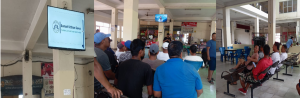
With the intensifying impacts of climate change, central Nepal has seen a rise in extreme weather conditions, including frequent heatwaves. Informal sector workers such as transportation workers, street vendors, and others are especially vulnerable, as they often work long hours outdoors under the streme sun having no access to escape from sun, dr inking water, or rest. The Cooling and Resting Center addresses this critical gap by offering relief, health support, and awareness-raising services in a safe and welcoming environment at buspark.
Objectives
The main goal of the Cooling and Resting Center at Paras Bus Park is to protect informal workers from the harmful effects of extreme heat. Many workers, like drivers, street vendors, and porters, spend long hours outside under the hot sun. This center aims to provide them a cool and safe space to rest, drink clean cold water to recover from the heat, a place to charge their phones, and basic health checkups. The center also aims to share helpful information through a TV screen about government programs, such as social security schemes, health insurance, workers related informations so that workers can learn about their rights as well as information about social secirity fund.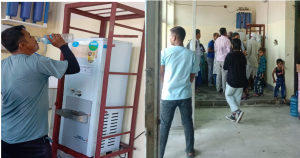
Process
The entire infrastructure and day to day operation of the Cooling and Resting Center have been made possible through the financial and technical support of Samari Utthan Sewa. The facility is equipped with two air coolers to provide a comfortable indoor environment, a television screen for audiovisual dissemination of information related to social protection programs, a mobile charging station for visitor convenience, and a cold drinking water facility to all the visitors.
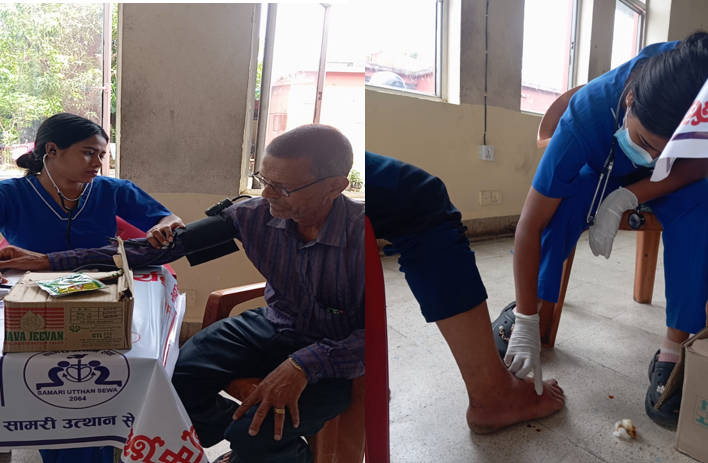
In addition to these physical facilities, the center offers daily healthcare services. A Health Assistant (HA) is present at the facility every day from 10:00 AM to 5:00 PM to support and facilitate visitors, offering health checkups and basic medical guidance. A data entry system has been initiated to document the details of individuals using the health services, ensuring effective tracking and follow-up. The audiovisual content continuously displayed at the center informs workers about their rights and educates them about social security schemes provided by Nepal government and information about Social Security Fund. This integration of information and services enhances both the immediate well-being and long-term resilience of the visitors.
Key Developments
Since its starting on May 18, 2025, the Cooling and Resting Center at Paras Bus Park has seen a various number of visitors benefiting from its services. From May 18 to June 9, a total of 604 individuals have accessed the health checkup services at the center, including 561 men and 43 women. The informal sector workers feedback has been overwhelmingly positive. Many workers have expressed appreciation for the cool and comfortable space for resting, the availability of clean and cold drinking water, the mobile charging facility, and the clarity and relevance of the information being shared through the television screen. These services rovided through this centre is not only for physical relief but also empowered workers with critical knowledge about their rights and social security of the workers.
Conclusion
The establishment of the Cooling and Resting Center at Paras Bus Park by SUS SHRAMIK project represents an important milestone in providing the facility of complete, climate-resilient services. This initiative exemplifies how partnership and collaboration with local government can effectively address the public health challenges faced by informal workers in the face of rising temperatures. By combining practical support with healthcare services and awareness-raising efforts, the center has created a safe space that prioritizes the dignity and well-being of vulnerable workers.




Discussion about this post