

Sita Pariyar, a 52-year-old resident of Bandarjhula, has faced tremendous challenges throughout her life. Once a family of eight, Sita has endured the heartbreaking , who died in a landslide disaster. Now, she is living with her husband and two grandchildren.
For years, Sita’s life revolved around traditional roles as a housewife, managing household chores and farming. Her livelihood depended on manual labor, both in her own fields and occasionally working in her neighbors’ fields for wages. As a Dalit woman, Sita faced cultural norms and discrimination that limited her opportunities for community involvement and personal growth. Her identity and dignity were often undermined, and she struggled with economic vulnerability, relying on her husband’s insufficient earnings to meet the family’s basic needs.
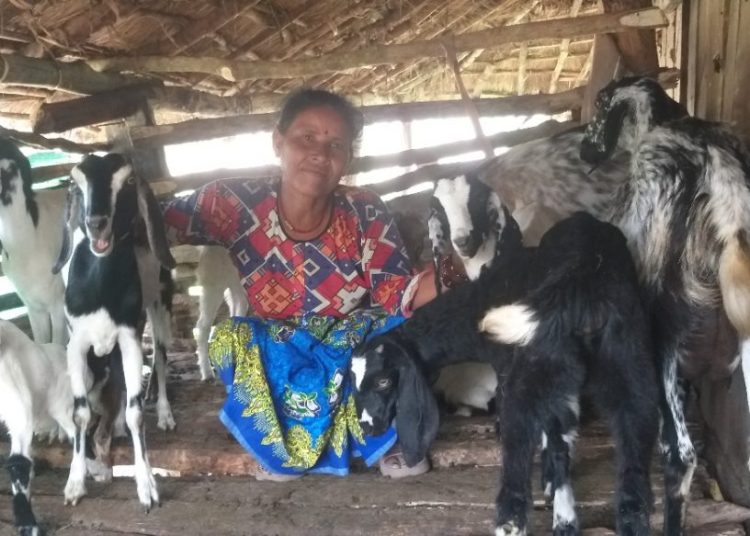
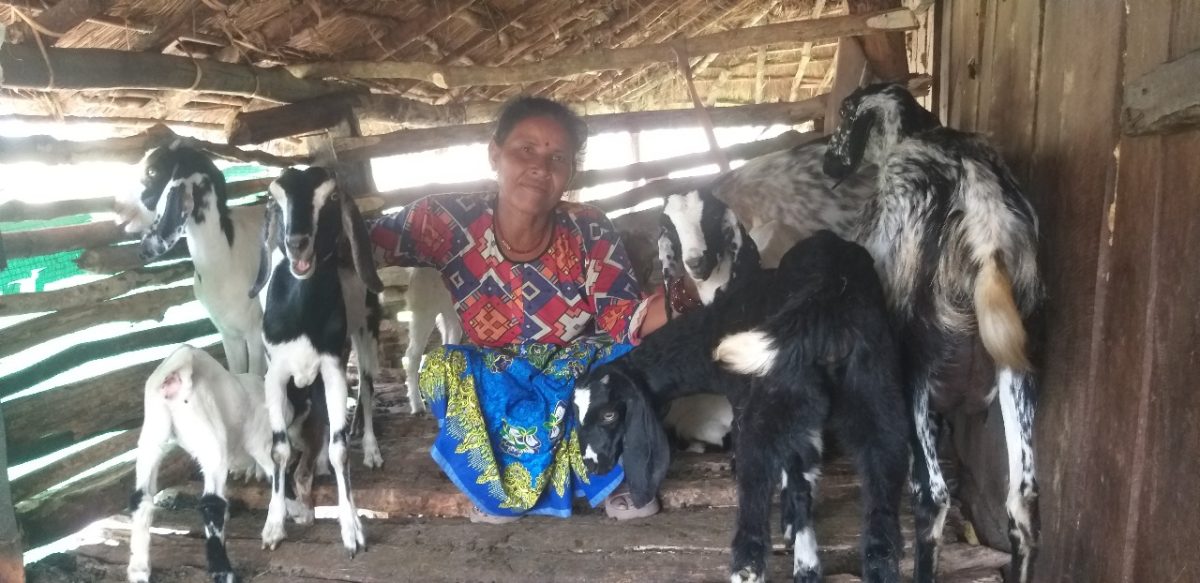
Sita Pariyar with her GoatsSita’s small piece of land could only produce food for about six months a year, leaving her unable to provide proper nutrition for her children. With no access to financial support—loans were either unavailable or came with high interest and difficult conditions—she often found herself humbly requesting help from others, sometimes offering small gifts in return for basic support. Her life was marked by hardship, gender-based limitations, and a lack of resources.
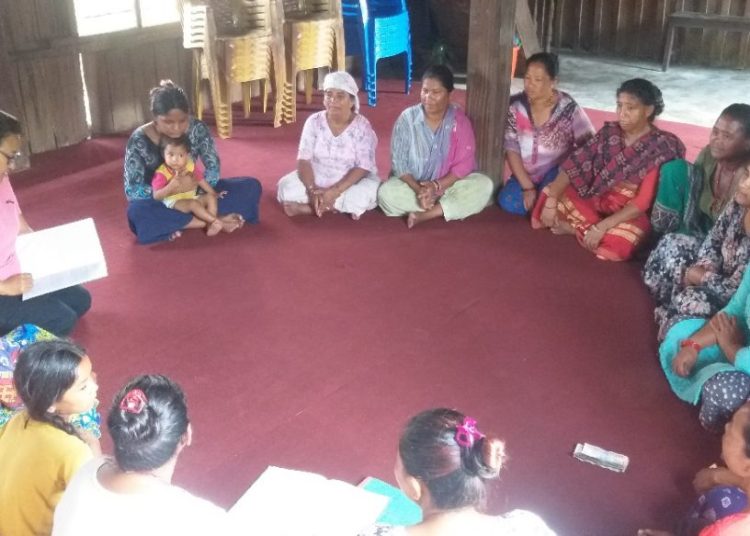
In 2023, everything changed when Samari Utthan Sewa established a self-help group in her area, and Sita was given the opportunity to become a member. Through this group, she received leadership training and participated in meetings that enhanced her understanding of Dalit rights and community awareness.
She often experienced exclusion in the community. She shared, “High caste people, including ethnic communities, used to deny collecting water from the local groundwater sources. I have to collect water from a separate groundwater resource, which is far from my house.”
On several occasions, she was not allowed to enter local Hindu temples, despite having contributed both labor and financial support to their construction. She recalls, “A blacksmith created the statue of the god for the temple, and all Dalits voluntarily contributed by collecting sand, stones, and wood to build it. After the temple was completed, non-Dalits became the priests and denied Dalits entry to the temple.”
Not only at the temple and water sources, but she was also frequently asked to sit separately during social gatherings in the community. These daily acts of discrimination deeply affected her sense of belonging and dignity. However, Samari Utthan Sewa provided her with a platform to develop life skills and address social issues.
One of the most significant changes came when Sita received livelihood training and support, including goats and buffalo. With her newfound skills, she successfully raised two goats, which significantly increased her income. Sita expressed that the group learning experience empowered her to improve her family’s financial situation, and now all family members are engaged in income-generating activities.
As a result of her involvement in the group, Sita has witnessed a transformation in her economic status. She has plans to expand her goat farming by building a new shed, which will further enhance her income potential. Sita emphasizes that the unity fostered within the Dalit community through the group has helped combat caste discrimination. The collective effort has created
Previously, Sita and her group members were only engaged in household chores and depended entirely on their husbands’ minimal earnings. After forming the group, they learned financial literacy and skills for farm-based livelihoods. They also received financial support to start income-generating activities. Additionally, they began monthly savings, which reduced their dependence on informal loans and fraud-based lending. Now, they can sell their goats directly to buyers in Bharatpur and Madi through their established contacts.
Through her hard work and the support of Samari Utthan Sewa, Sita has not only improved her family’s economic situation but has also contributed to changing societal perceptions. Sita Pariyar stands as an inspiring example of how collective unity and awareness can lead to meaningful change in the lives of marginalized individuals.



Discussion about this post